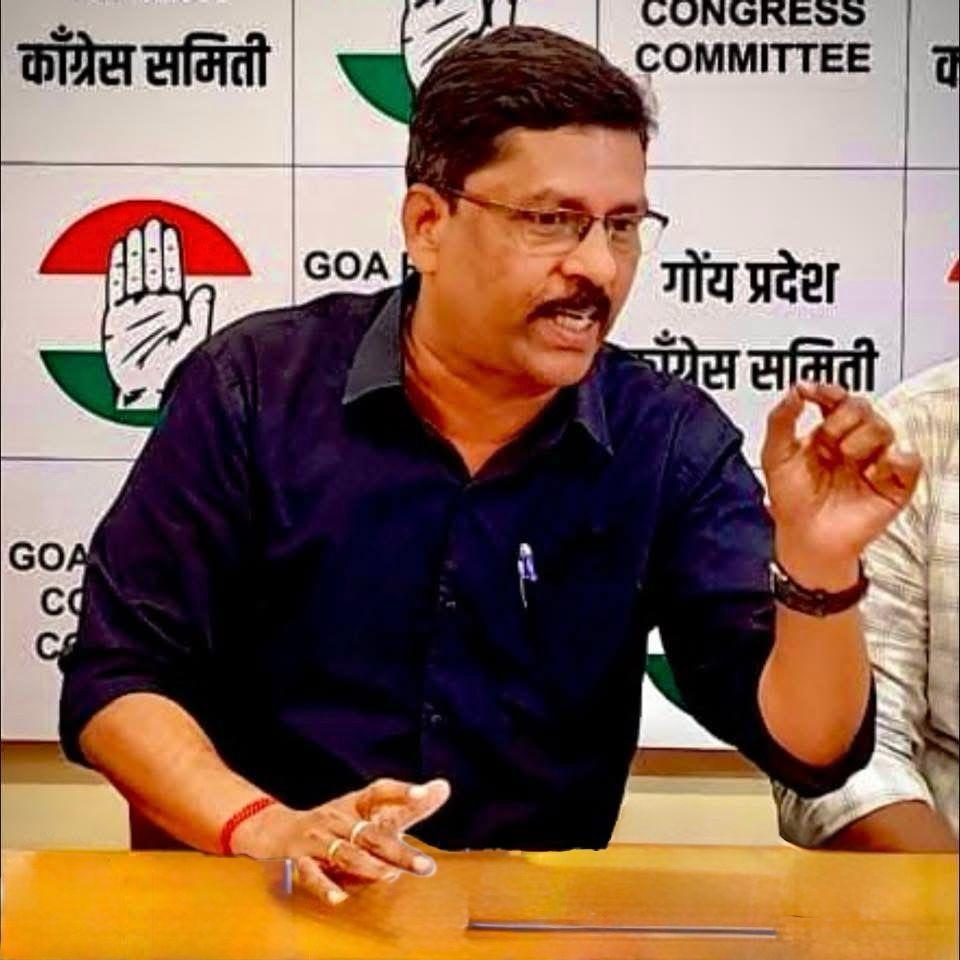
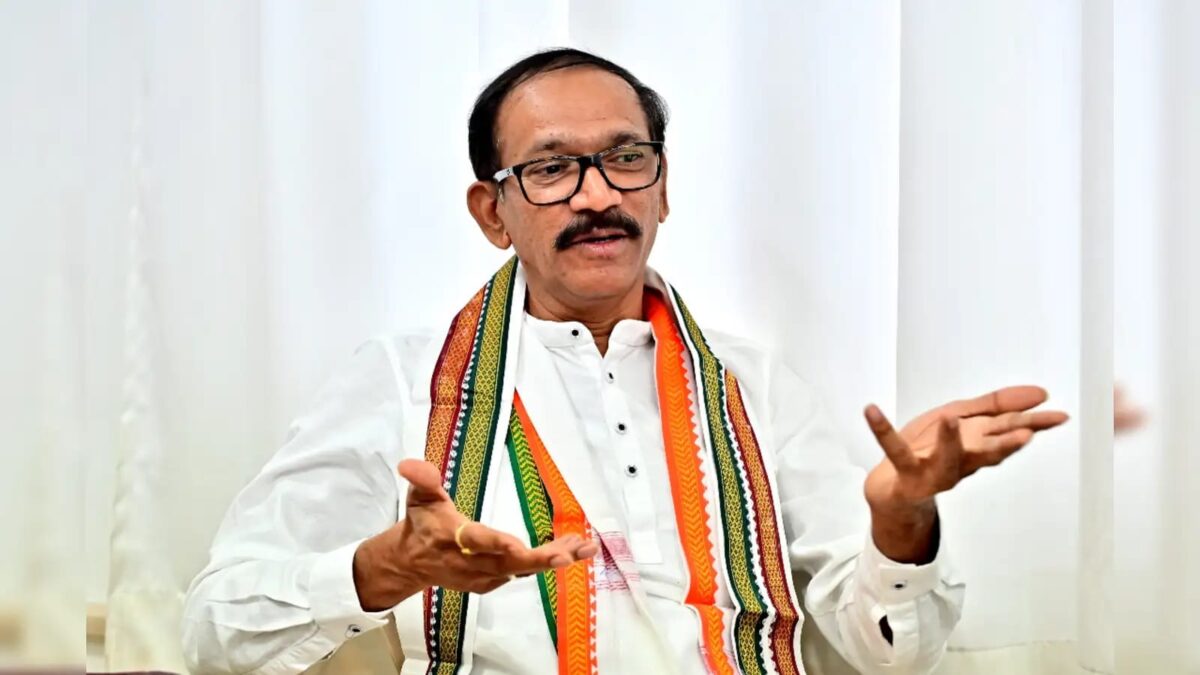
Panaji: Goa Pradesh Congress Committee President Girish Chodankar has accused the BJP government of failing to contain the sewage pollution crisis in the Mandovi estuary, demanding immediate accountability following alarming findings by the Goa State Pollution Control Board (GSPCB).
“The BJP government can no longer turn a blind eye to a crisis Congress has repeatedly highlighted. The latest findings expose the gravity of pollution in the Mandovi, yet the government remains conspicuously silent,” Chodankar said.
According to the GSPCB’s interim report submitted to the Bombay High Court at Goa, faecal coliform levels were nine times above permissible limits at all 22 sampling points during monsoon sampling conducted in August.
The High Court is examining pollution in Mala Lake after hundreds of dead fish were found floating in the waterbody earlier this year.
₹1,750 CRORE FROM CASINOS, BUT WHO IS ACCOUNTABLE FOR THEIR SEWAGE?
Chodankar questioned the apparent disconnect between the government’s substantial casino revenues and its failure to provide convincing answers on sewage management.
The six casinos reportedly generated ₹1,750 crore in state revenue over five years, averaging ₹350 crore annually. The GSPCB report states that its records show casino wastewater being transported to the sewage treatment plant at Patto, with no evidence in those records of discharge into the Mandovi estuary.
“But what happens after the sewage reaches Patto? How is it treated and finally disposed of? Are the treatment and disposal systems independently verified? The government must disclose the complete process instead of hiding behind records that do not explain the entire chain of disposal,” Chodankar demanded.
He also cited information presented by the government in the state Assembly in March, stating that water samples collected at five locations around the casinos had recorded faecal coliform levels above permissible limits every month since at least 2022. In some months, levels were reportedly 200% or more above the limits.
DEAD FISH IN MALA LAKE: GOVERNMENT ACTS ONLY AFTER DISASTER
Following the discovery of dead fish in Mala Creek in April, the CCP informed the High Court in May that it had sealed waste outlets at seven houses allegedly discharging into Mala Lake. It also reported that a damaged sewage line was being repaired and that affected homeowners would have to apply for sewage connections.
Chodankar said residents had reported a similar incident the previous year, yet their concerns did not prompt timely intervention.
“Why does this government wake up only after dead fish appear, citizens raise an alarm or the courts intervene? Pollution prevention must be a continuous responsibility, not an exercise in damage control,” he said.
ST. INEZ CREEK, DRAINAGE CHANNELS UNDER SCRUTINY
The GSPCB has identified drainage channels, domestic drains and urban nullahs—including Rua de Ourem, city market drainage, Betim fishing jetty, Betim fish market, seasonal storm drains and the heavily polluted St. Inez Creek—as potential sources of untreated sewage entering the Mandovi.
Chodankar demanded accountability from the departments and agencies responsible for sewage management, particularly the Sewerage and Infrastructure Development Corporation of Goa.
“Who is responsible for stopping untreated sewage from entering the Mandovi? What action has been taken, and what is the role of the Sewerage and Infrastructure Development Corporation? The government must identify the sources, fix responsibility and publish a time-bound corrective action plan,” he said.
600 SEWAGE TANKERS DAILY AT TONCA: WHERE IS THE PERMANENT SOLUTION?
Chodankar further raised concerns over information indicating that at least 600 sewage tankers carrying wastewater from the hotel industry arrive daily at the Tonca Sewage Treatment Plant, adjacent to the St. Inez canal.
He demanded disclosure of the plant’s treatment capacity, daily sewage volumes, actual treatment performance and final disposal arrangements, along with an investigation into possible leakage into the canal.
“Why is the government still relying on this arrangement without demonstrating that the sewage is being safely treated and disposed of? Has the entire system been inspected for leakage? The public deserves facts, not assurances,” he said.
SMART CITY, BUT NO CLEAR ANSWERS ON SEWAGE
Chodankar also questioned the government’s handling of sewage generated in Smart City Panjim, demanding clarity on collection, treatment and disposal arrangements.
“After spending crores on urban infrastructure, the government must demonstrate results. A city cannot be called smart when sewage management remains under scrutiny and its waterways face alarming contamination,” he said.
CONGRESS DEMANDS
The GPCC President called on the government to:
* Publish a comprehensive, time-bound plan to tackle pollution in the Mandovi estuary, Mala Lake and St. Inez Creek.
* Disclose the complete sewage collection, treatment and disposal arrangements for casinos and the hotel industry.
* Conduct an independent inspection of the Tonca treatment plant and investigate possible sewage leakage into nearby waterways.
* Identify pollution sources and fix responsibility among the departments and agencies concerned.
* Publish regular water-quality reports and disclose corrective action taken.
“The Mandovi is not a dumping ground. The BJP government must explain how sewage is being managed, where the contamination is coming from and who is responsible for stopping it. Goa’s waterways cannot be sacrificed to administrative apathy. We demand transparency, accountability and immediate action—not excuses after every environmental disaster,” Chodankar said.