
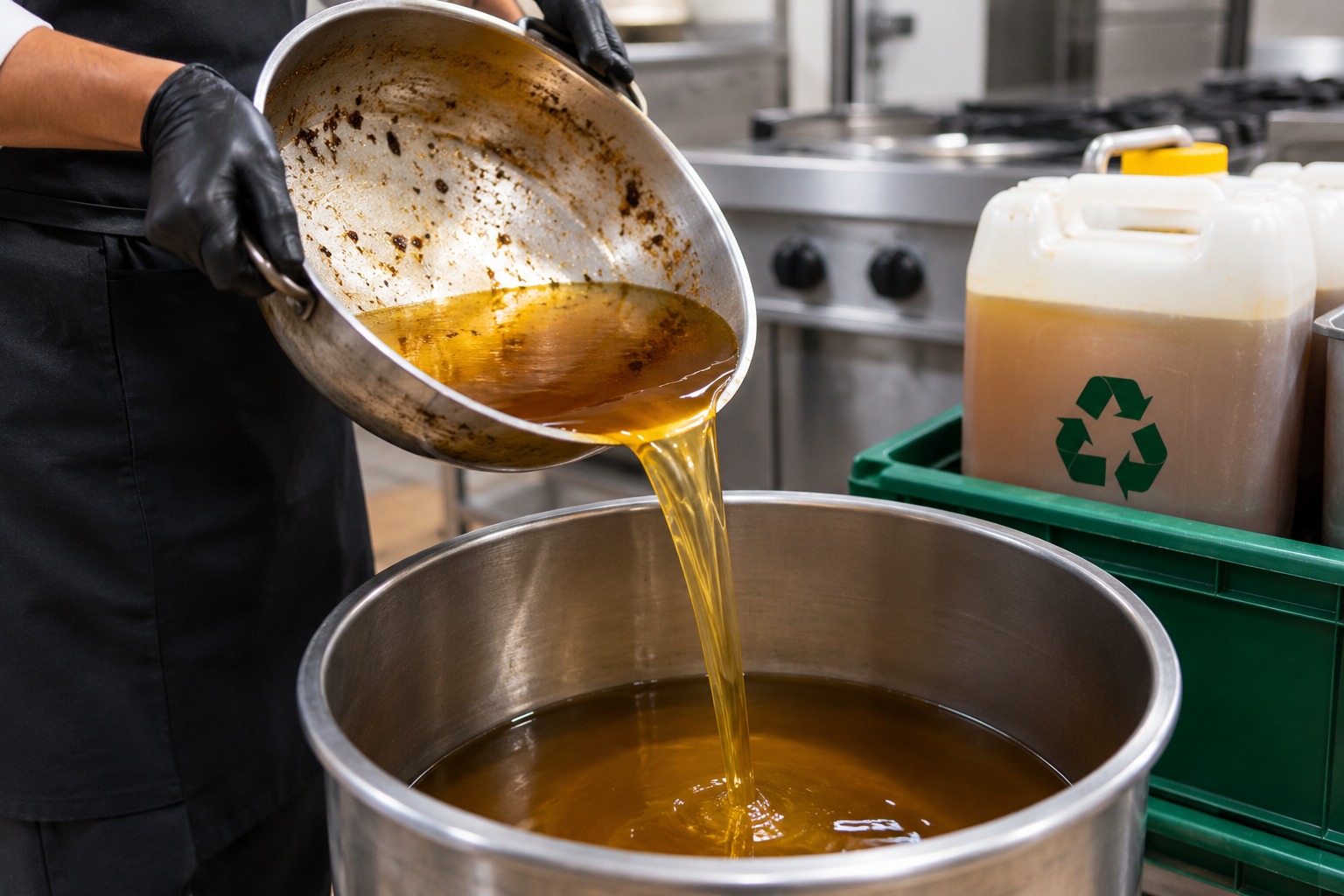
The Food and Drugs Administration (FDA) has recommended stricter monitoring of used cooking oil in Goa, proposing regulated purchase prices, mandatory registration of collectors and digital tracking to prevent illegal diversion.
In a submission to the Goa Energy Development Agency (GEDA) dated October 8, the FDA outlined several measures to strengthen the state’s upcoming Used Cooking Oil (UCO) Policy, which was notified in August. The initiative aims to stop used cooking oil from re-entering the food chain and encourage its conversion into biodiesel.
The department has warned that gaps in the existing national framework, introduced in Goa in 2018, could undermine the effectiveness of the new state policy if adequate safeguards are not introduced.
A major concern raised by the FDA is the pricing offered by oil collectors. Some aggregators reportedly offer unusually high rates to secure used cooking oil from restaurants and other food establishments. However, excessive procurement costs can make biodiesel production financially unviable, increasing the possibility of the oil being diverted to unauthorised uses.
To address this issue, the FDA has proposed a regulated price range linked to prevailing biodiesel market rates and production costs. The department believes this could help maintain the commercial viability of authorised recycling operations.
The FDA has also called for compulsory registration of all collectors and collection agents, recommending that only registered entities be allowed to collect used cooking oil from hotels, restaurants and other food businesses.
To improve transparency, the department has proposed an online monitoring system to record collections and track oil movement. A shared digital dashboard for food business operators, collectors, government authorities and biodiesel manufacturers could help authorities monitor transactions and detect irregularities.
The recommendations also call for strict enforcement against policy violations. The FDA has sought meaningful penalties for food establishments and collection agents that fail to comply, including police intervention against unauthorised collection activities.
At the same time, the department has suggested incentives to encourage participation. These could include official recognition, accreditation certificates and a 50 per cent reduction in statutory licence fees for food business operators making significant contributions to the programme.
The FDA’s recommendations seek to strengthen accountability across the used cooking oil supply chain and ensure that collected oil is channelled towards authorised recycling rather than potentially unsafe or illegal uses.